Taiwan’s semiconductor rise began with government-backed research, technology transfer and engineers trained overseas. Decades later, companies such as TSMC and UMC sit within a global chipmaking ecosystem. AAT Intelligence examines how it was built, why the world depends on it, and the risks shaping its future.
IDC figures reported by Reuters show Nvidia’s share of China’s data-centre AI accelerator shipments at 34% in the first half of 2026, compared with Huawei’s 28%. The shift reveals how export controls, domestic suppliers and changing chip architectures are reshaping the market—but not necessarily which company has the strongest technology.
AMD’s planned $8.2 billion acquisition of Fei-Fei Li’s World Labs is more than another AI deal. By bringing spatial-intelligence researchers inside the company, AMD could gain an earlier view of the workloads its future chips, software and computing systems may need to support.
4 min readAI
Explore AAT Intelligence
Research. Data. Perspective. For a more informed tomorrow.
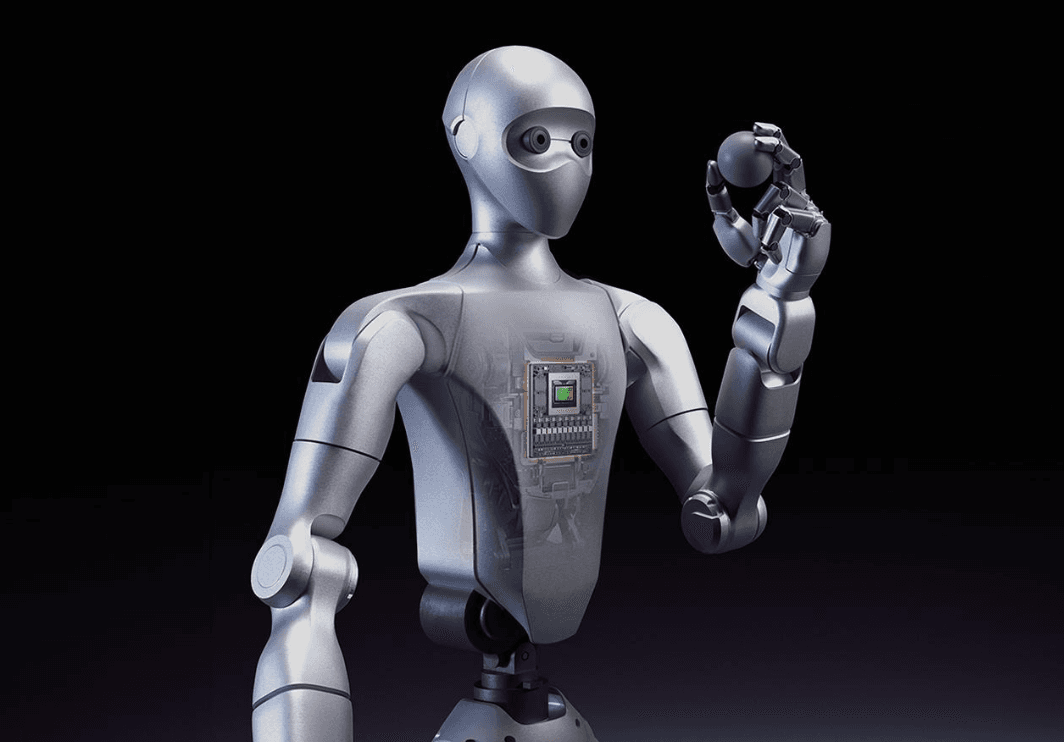
NVIDIA has expanded its Isaac robotics platform with new simulation assets, AI training frameworks, real-time runtime software, and safety technologies. The announcement strengthens the infrastructure for developing humanoid robots but leaves important questions about real-world reliability and deployment.